Here we go for the 3rd edition of my reading recommendations.
As in 2020 (link) and 2021 (link), this list brings together the 5 books that helped me grow the most. This year, you’ll find:
- my revelation about service professions, and more specifically that of consultant
- the biological explanation for part of the deviant behaviors of our societies, and for our inability to think long term
- an exploration of a future where robots would be (will be?) among us
- practical tips for managing a project within an IT team
- timeless reflections from a young Indian immigrant who became a successful entrepreneur
Happy reading and happy holidays!
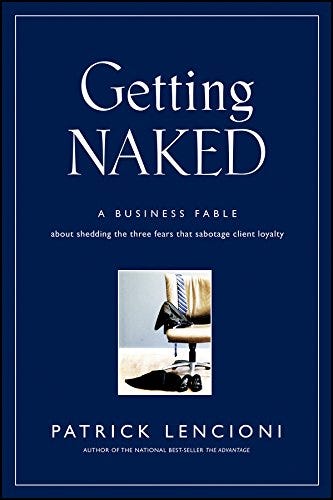
1. Getting Naked, Patrick Lencioni
Without the slightest hesitation, I have to start this top 5 with “Getting Naked” by Patrick Lencioni. This book tells the story of a consultant from an elite consulting firm who, following an acquisition, finds himself integrated into a firm with rather strange management practices. There he discovers a world where the client can become a friend, where being an expert also means admitting you don’t know everything, and where showing your weaknesses is a sign of strength and confidence.
This book turned my brain inside out, because I found in it all my doubts, my discoveries, and the “Aha moments” of my own journey within my new consulting firm. It helped me clarify how my company operates, to the point of becoming our reference book when defining our values. I actually wrote an article on the subject (link).
Of course, the subject it covers is fairly specific, and won’t speak much to people outside the consulting world. But Patrick Lencioni wrote a second book, just as brilliant, on the dynamics of boards: The Five Dysfunctions of a Team.
Whether we are business leaders, C-level executives, managers, or simple employees, we are all part of a team. And knowing how to identify and fix our team dynamics is a critical issue for the success of our projects (and for our mental health…). On the same principle as Getting Naked, this book is a very easy read: it’s a short novel featuring characters who discover the right practices to put in place at the same pace as the reader.
2. Le bug humain [The Human Bug], Sébastien Bohler
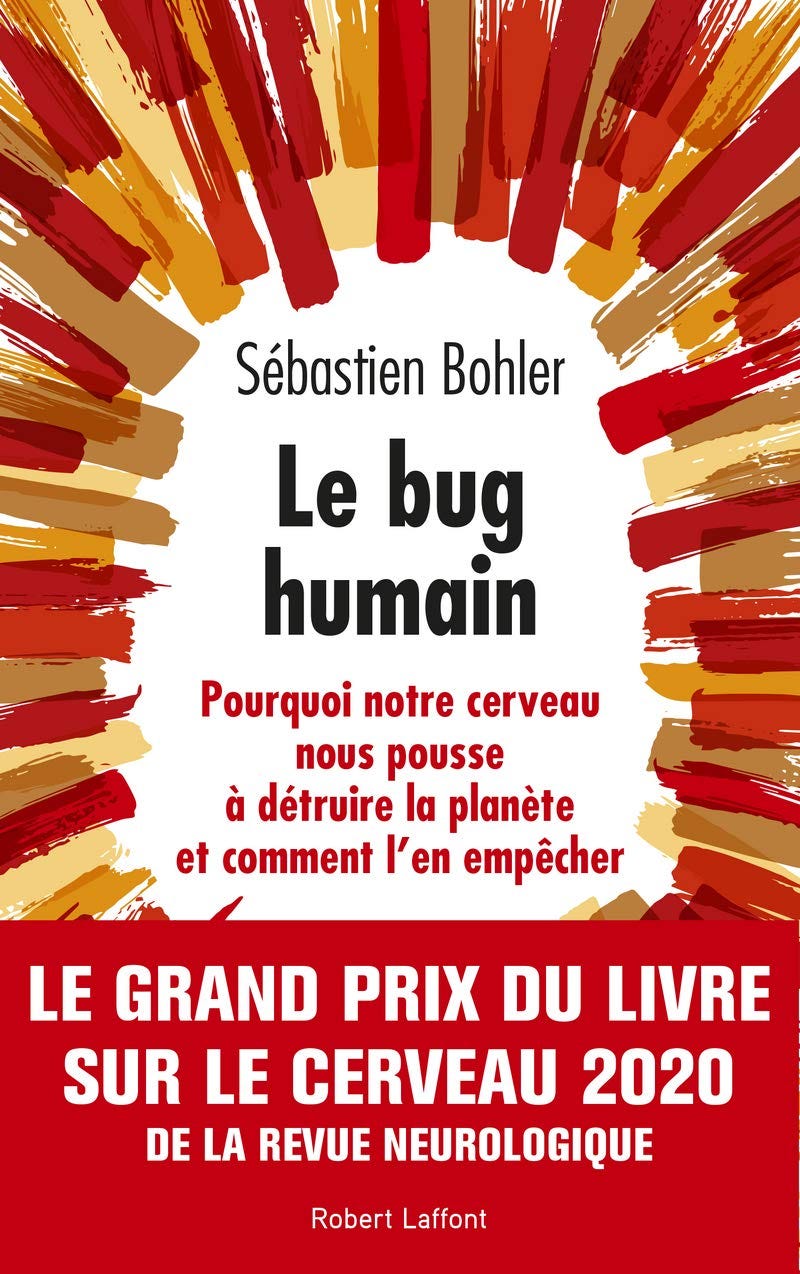
This second book focuses on the question of the striatum. It’s the small organ at the center of our primitive brains that regulates our motivations and our impulses. Given its size, you might think this organ matters very little, but this book shows us in detail its major role in our lives, our societies, and even the trajectory of our civilization.
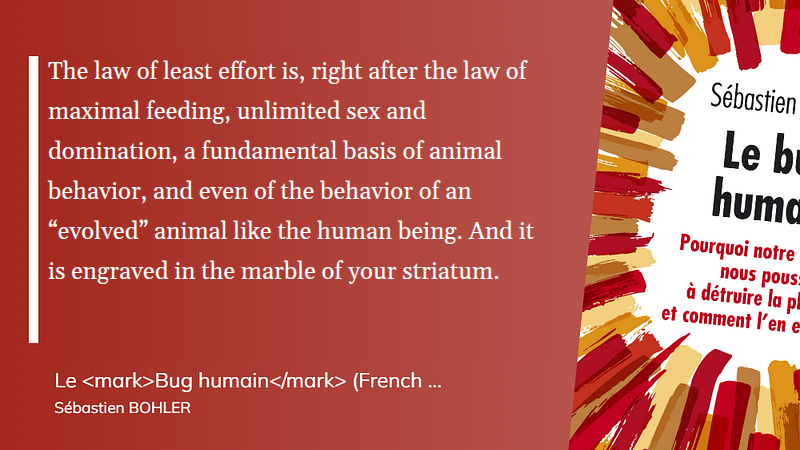
Sébastien Bohler is not a scientist; he doesn’t present “groundbreaking” content in his book. On the other hand, thanks to his journalist’s pen, he gathers and shapes dozens of scientific studies to make them more accessible to the uninitiated.
I started getting interested in the striatum after reading Jean Marc Jancovici’s absolutely brilliant graphic novel “World Without End”. His co-author and interlocutor in the story, Christophe Blain, keeps repeating that all the problems of our society are the consequence of our striatum, but without ever really explaining what it is or why. This book provides concrete answers:
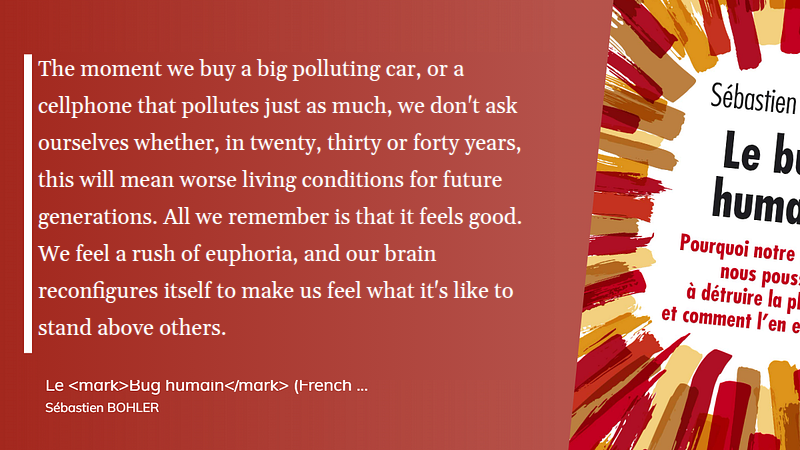
I therefore recommend this book to anyone who wants to better understand the internal constraints and levers we have to face the many crises to come.
3. The Robot series, Isaac Asimov
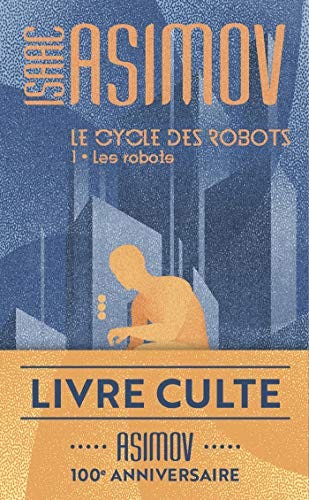
After Isaac Asimov’s Foundation series, the logical next step was to dive into the Robot series. It’s a series of science fiction novels that follows the adventures of various robots and their interactions with humans. The series consists of several novels and short stories, which were written by Asimov between 1950 and 1985.
In it, we find the famous laws of robotics:
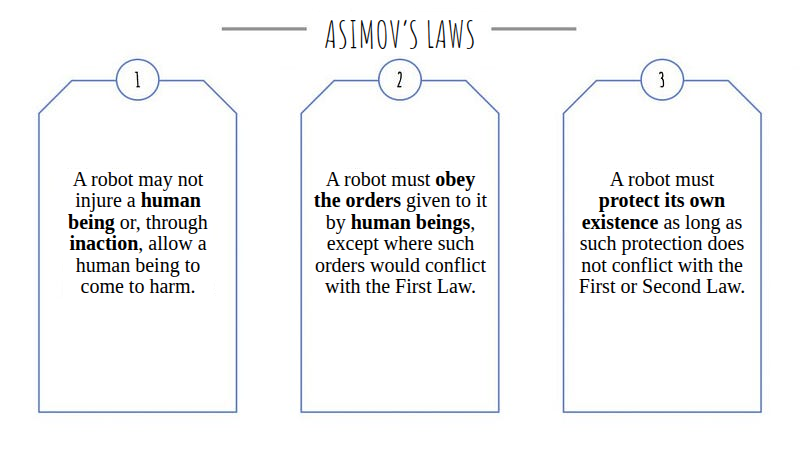
These laws may seem very clear and restrictive, but in a world where robots are becoming more human and humans are becoming more robotic, the interpretations become more and more blurry.
Asimov’s Robot series thus sheds light on the ethical and philosophical questions raised by the existence of intelligent robots. In each of his books, Asimov takes us on chases to solve mysteries that flirt with the limits of these laws.
I warmly recommend these books to those who enjoy detective novels, puzzles, and suspense. Or more simply to fans of science fiction and of reflection on the ethical and philosophical questions raised by the existence of intelligent robots.
4. The Phoenix Project, Gene Kim
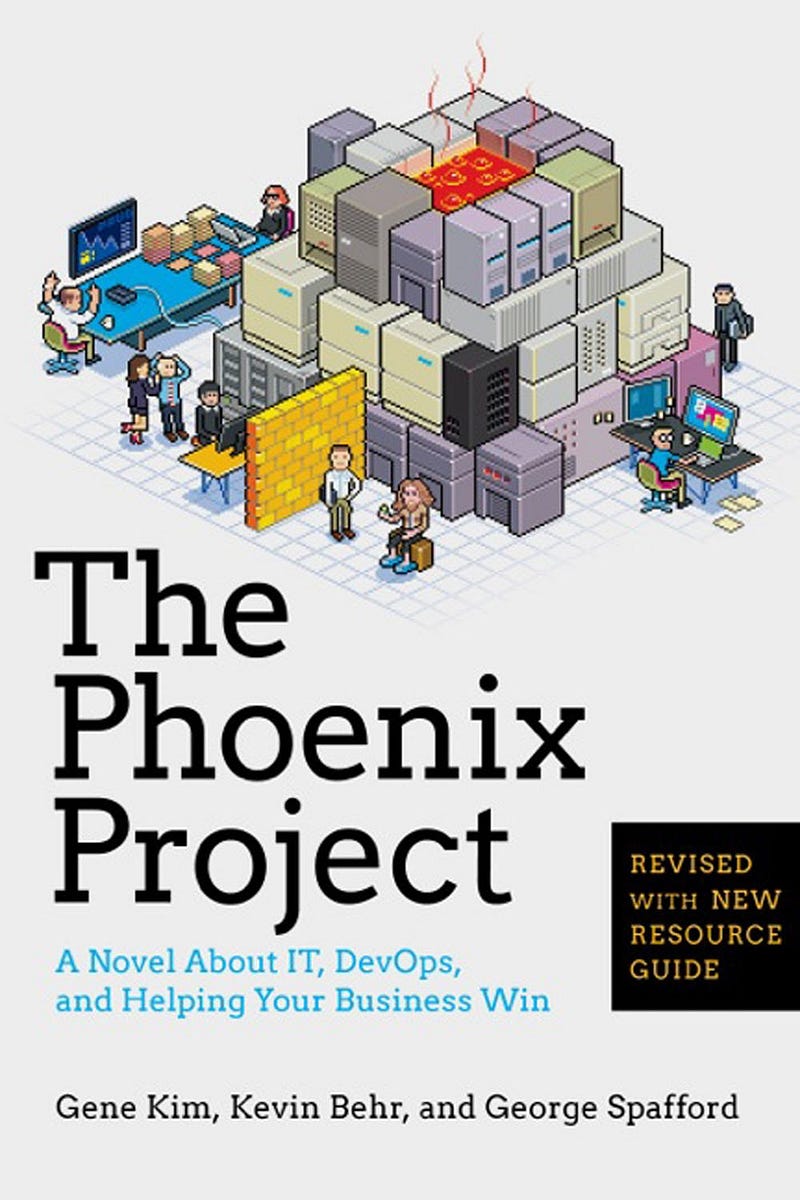
“The Phoenix Project” is a book by Gene Kim, Kevin Behr, and George Spafford that tells the story of Bill, an IT manager who finds himself in charge of a crucial but struggling project.
The story follows Bill as he strives to get his project and his IT team back in order, while they face constant pressure from senior management. As the story unfolds, he discovers practical strategies and tools for handling common problems in software development and project management. The reader is thus invited to follow Bill’s progress and learns alongside him how to overcome the difficulties.
On top of offering practical advice, “The Phoenix Project” is also an inspiring story that shows how a team can overcome obstacles and reach its goals, even in the most difficult situations. It’s a book I warmly recommend to anyone who works, closely or remotely, with IT teams.
5. The Almanack of Naval Ravikant
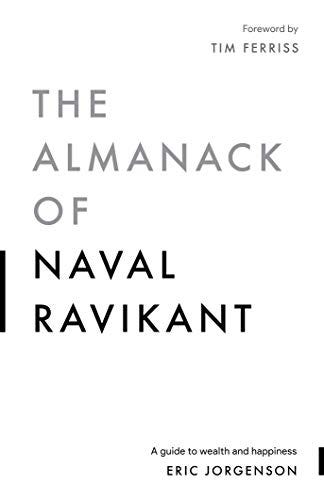
Naval Ravikant is a fascinating character. Born in New Delhi, he moved to New York at age 9 with his mother and his brother, where he grew up in poor neighborhoods. Today a renowned investor in hundreds of startups, he stands out for his calm and his perspective on life’s difficulties. “The Almanack of Naval Ravikant” gathers his quotes and reflections in a very concise and punchy style, on various topics such as wisdom, personal fulfillment, professional success, and philosophy.
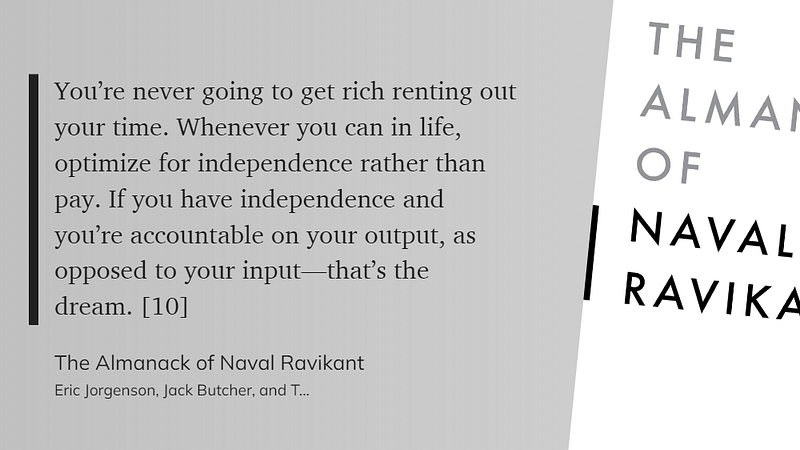
The book is divided into different sections, each of which addresses a particular theme. For example, the “Wisdom” section presents inspiring quotes on wisdom and the wisdom of living, while the “Success” section explores the strategies and beliefs that can help people succeed in their careers.
What makes “The Almanack of Naval Ravikant” unique is the depth and wisdom of Ravikant’s reflections. His quotes are often profound and enlightening, and can help us see our lives more clearly and make informed decisions.
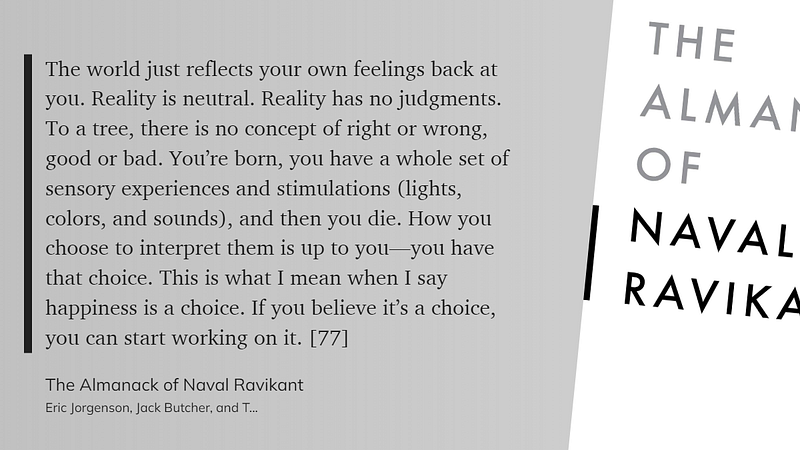
In short, “The Almanack of Naval Ravikant” helped me put into words many life principles and good practices that had been running through my head these past years. Thanks to the precision of his words and the finesse of his analyses, this book has just made it onto my “list of books to reread every year”.
Hurry and buy it at your favorite bookstore!