In 2021, Alenia was only 2 years old but already had nearly forty employees. Every one of them had been hired through referral, and shared strong principles and a common culture. But by continuing to double in size every year, Alenia ran the risk of diluting the very culture that made it unique. The time had come to formalize values to consolidate the foundations and grow with peace of mind.
Today, after intense months of reflection, the Alenia teams have written values that truly reflect who they are and that they proudly display. Here is an interview with Aimery, one of the founders, who tells us about Alenia’s journey from founding principles to written values, and then to lived ones.
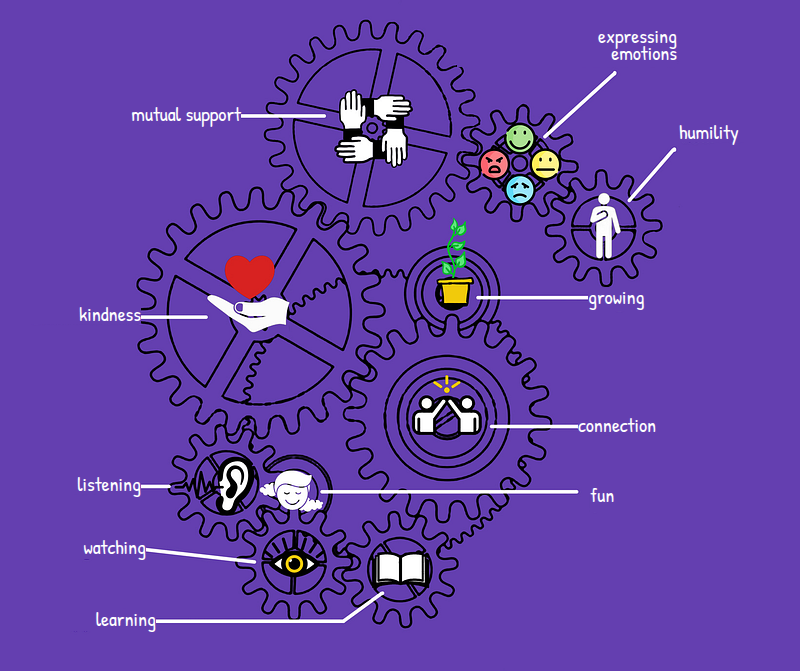
At Alenia, you present yourselves as a different kind of company. What drove you and the other founders to build Alenia that way?
Aimery: Alenia sits at the crossroads of 3 industries: finance, consulting, and IT services firms. These 3 industries are fairly well known for valuing profit, and not so much human values.
With my cofounders, when we decided to leave our companies and found Alenia, it was above all because we were no longer aligned with the way they operated. After many years in large financial groups and IT services firms, the gap had become too wide.
The debate about our “Why” came up very quickly when we started the company. Many of our peers in consulting firms explained to us that they had embarked on the adventure mainly for financial reasons. That is a motivation I fully respect, but it was not aligned with our needs. After years of frustration in large groups, what we wanted above all was to be able to look at ourselves in the mirror every morning and be proud of what we had built. It may sound naive, but fundamentally it changes a lot of things.
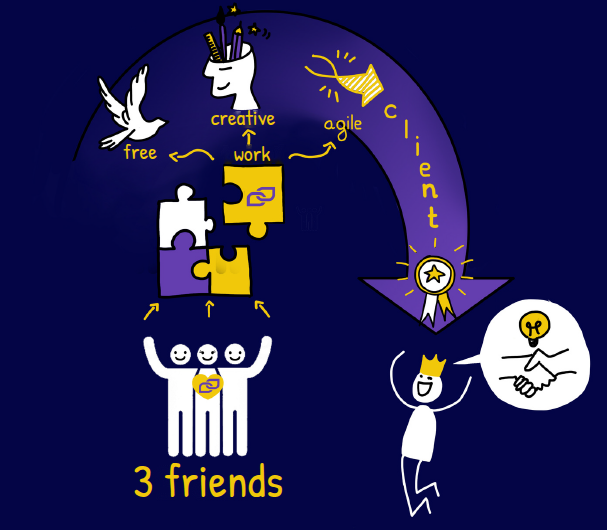
Could you give me a few examples?
Aimery: For example, it means being surrounded by people who make our eyes light up, and therefore creating an ecosystem where the gems of the industry can join us and thrive. The finance and consulting sectors are under strain at the moment, and the best profiles are highly sought after. That is why, from the very start, we went for a very collaborative model with no recruiters and no salespeople, and overall very horizontal. Management activities are highly decentralized, and everyone gets involved in internal activities depending on what they want to do, how available they are, etc.
It also means dropping the professional mask, between us founders and with our employees. Stop playing roles and accept ourselves as we are, in every dimension, professional and personal: accept our emotions and stay authentic.
How did you go about formalizing them?
Aimery: So when we started the exercise, we were determined not to produce something bullshit, even if it meant being blunt.
In the end, it took us 2 or 3 months, and there was a lot of work on wording and synthesis, because we had ended up with 7 values and that was too many.
Looking back, the exercise was very rich, because the result looked nothing like what it would have been if we had done it among the founders only.
For example, it led us to put on hold the recruitment of a 4th partner, because there was a clear disagreement on 2 of the values we were formalizing.
What does the final result look like?
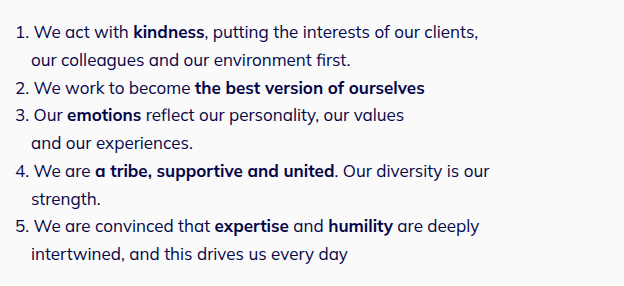
Aimery: In the industry, values are very often formalized as a single word, an adjective or a verb. We were not comfortable with that approach, because we felt it left too much room for interpretation, so we chose to write sentences instead.
The final result can be seen as something between a statement of intent and a manifesto.
How do these values actually show up day to day inside the company?
Aimery: Once the values were formalized, we were very pleased, but then, to be completely honest, they kind of fell by the wayside; we did nothing with them.
The topic came back on the table thanks to two things: the structuring of our internal processes and the emergence of the first tensions.
As our growth accelerated, we had to overhaul our internal processes: recruitment, onboarding, the manager relationship, and the management of individual and collective objectives. For each of these processes, our values served as a guide to make sure our practices were aligned with who we wanted to be.
It was also the moment when we started bringing in more and more people who had not been there from the beginning, and when we passed the 50-person mark. It was the beginning of the first internal tensions, of jealousy. We were starting to reproduce anti-patterns we had seen in our former organizations. Our values served as guardrails to rein in those behaviors.
Today, not a day goes by without me bringing up the topic of values: they are the foundation of our collaboration, our compass in everyday life.
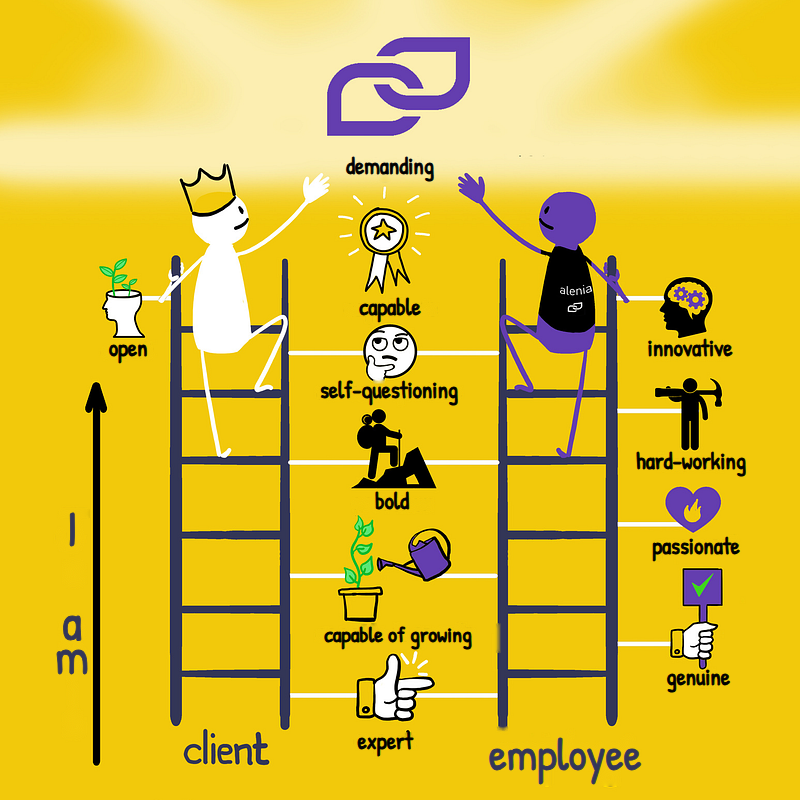
Rolling out OKRs was also a real trigger for embedding our values in the company. By comparing our company objectives with the values we had formalized, we realized that some values were not reflected in them. So we changed our company objectives accordingly.
And with your clients?
Aimery: With our clients and partners, it is sometimes a real challenge, because we immerse ourselves in worlds that are sometimes quite far from ours. It is much easier to have strong values when you are a tech company, relatively inward-looking, than in a consulting firm, where almost all employees work on site at their clients. It necessarily requires finesse and tact, because we cannot impose our ways of working on our partners.
More concretely, from the very first meetings, we share our values with our clients. Of course, we are aware that a slide about values has very little impact, which is why we make a point of demonstrating them through our words and our actions.
For example, one of our strong values is accepting people with their emotions, even in the professional world. Very quickly, we build genuine partnerships with our partners, far removed from financial interests. You could call them professional friendships. It is more and more common to talk through non-professional channels and outside working hours, and to end up on personal topics. It is mutual support, beyond the scope of the engagement.
Humility, for example, is one of our strongest values. Where other consulting firms may have a very “professorial” or “conceptual” approach, we much prefer a humble posture based more on listening.
The book Getting Naked by Lencioni had a major impact on you, because it gives concrete illustrations of the behaviors you want to put in place. For example, it presents 3 fears that consultants should overcome:
- fear of losing the business
- fear of being embarrassed
- fear of feeling inferior
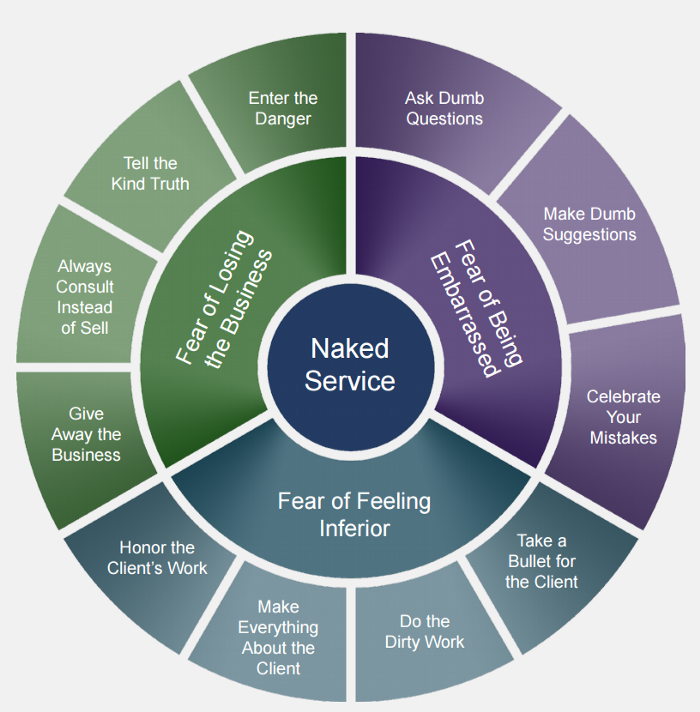
Which fear resonated with you the most? Which behaviors affect you personally?
Aimery: Given my history and my personality, the fear of feeling inferior is the one that speaks to me the most. It is impostor syndrome, which we also see a lot among our consultants. A large majority of them do not come from the consulting world, so they sometimes do not feel legitimate in their new position.
To be completely honest, for the first 2 years, I think we were pretty close to being impostors, but we were always very transparent and humble with our partners. We never pretended to be who we were not. We landed very big contracts very quickly, which we had to deliver on, even though we objectively were not quite ready. Our relationship with our clients/partners helped us a lot, because they were very tolerant.
Over time, we learned what we were missing to mature on the consulting side, while keeping a humble posture.
In Alenia’s first 3 years, what would you have done differently if you had read the book earlier? Would you have approached the debates on values differently?
Aimery: In our internal discussions after reading the book, we realized that we had done a lot of things right, but without knowing it, without having been conscious of it.
Above all, the book would have made us feel less alone. I had a strong feeling of loneliness when I talked about our values and practices with our partners or our competitors. I could not find any other company that worked this way; I felt like I was orthogonal to the market and that something was wrong with us. I think I would have embraced our difference sooner.
For example, building lasting, non-financial relationships was something we were already doing, as was the importance we placed on transparency, authenticity, emotions…
After reading this book, what is going to change at Alenia? How does this book become foundational for your business?
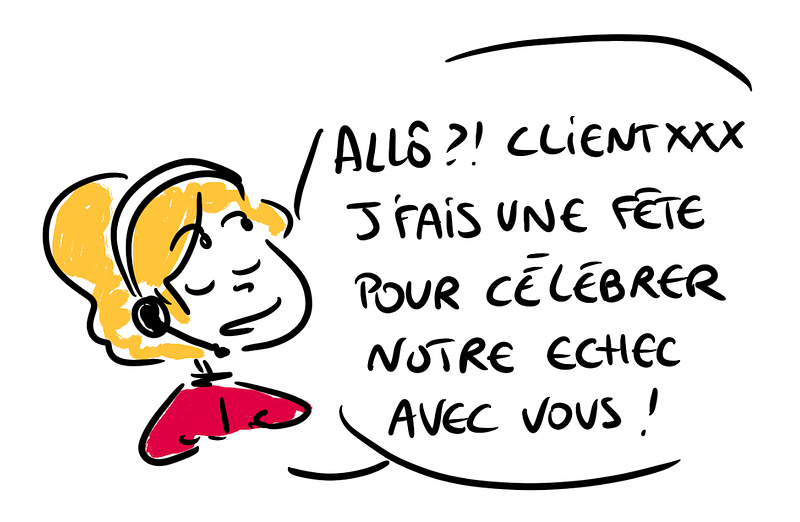
Aimery: I would say becoming more transparent about our failures with clients. It is quite linked to impostor syndrome, but we had, and still have, trouble admitting and sharing our failures with the client.
More broadly, this book will allow us to systematize intuitive practices that we currently apply case by case, depending on the sensitivity and maturity of each consultant.
The book is going to be foundational for our growth, to make sure our project is understood and absorbed. Today, our values are “1 slide with 5 sentences”, but this book, through the power of storytelling, gives a very vivid illustration of how we want to work. Anyone who joins us will be able to read this book during their onboarding and better understand our culture.
With our headcount growing, we might have thought that a flat organizational model with few strong hierarchical roles could not work. But today I am more and more convinced that there is a different way.
I am also now convinced that spending time working on and formalizing your values is an investment that directly contributes to the company’s financial results. That was not the case even 1 year ago.
What message would you give your clients and partners after this discussion about values?
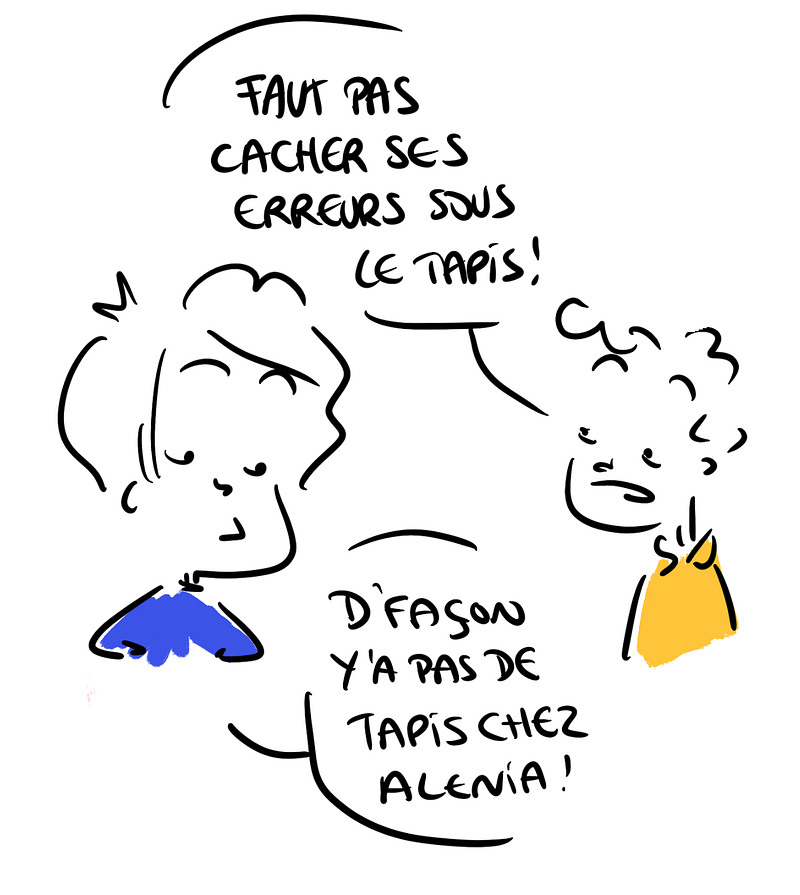
Aimery: I would tell them to be themselves in their relationship with their managers and with their teams, to stay authentic. Our society is built on masks, appearances and posturing. When those masks come off, I see that it triggers an almost magical reaction: a lot of satisfaction and a sense of calm.
I am deeply convinced that there would be far fewer conflicts at work if we had more transparency and authenticity in our professional exchanges.
It also creates a certain difficulty, because today few companies work this way, and we have very few partners to talk with in order to make progress on our values.
2 bonus questions to wrap up our conversation:
Many companies have written and shared their values. Which companies inspire you the most?
Aimery: First of all, Zappos, which shared its story in Delivering Happiness. Its ability to build a company around a strong core made a big impression on me, even though I had not grasped its importance at the time I read it.
Brio, for introducing us to this book. They have managed to anchor these concepts of empathy, authenticity and empowerment very concretely in the way they operate. I am really looking forward to deepening our partnership.
As you said in the introduction, the world of finance has values quite far from Alenia’s. Shouldn’t that push Alenia to grow elsewhere?
Aimery: Absolutely, it is a feeling that has been driving me for a few months now. We are actively developing new partnerships outside finance. But for now, I do not see any sector whose values would be inherently more virtuous. My impression is that it is more at the level of each individual company that the magic happens, or doesn’t.