Between the wildfires in Australia, the coronavirus deaths, the lockdown restrictions, the tumultuous American elections and the terrorist attacks, 2020 could well snatch the title of worst year in human history (currently held by the year 536).
Of the 25 books I managed to read this year, here are the 5 that moved me the most and that, to me, make a good summary of the year 2020.
Let’s go!
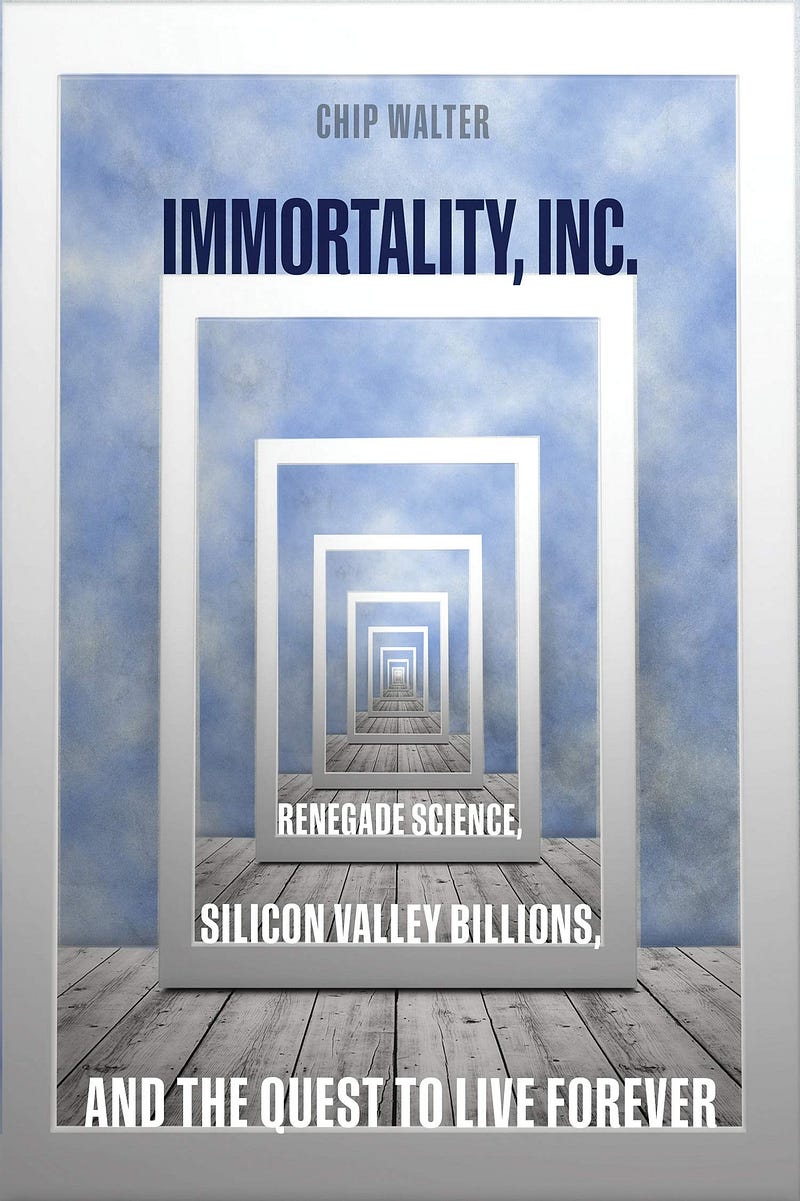
- Immortality, Inc — Chip Walter
Our relationship with death is an eminently important theme in 2020. What better way to start this list than a book about the quest for immortality?
Chip Walter takes us to Silicon Valley, where billionaire baby boomers have been trying for some fifteen years to push past this ultimate frontier.
Their reasoning goes like this: every mechanism in our body aims to keep us alive and healthy, so why does the machinery end up seizing up? Isn’t there a gene we could switch on or off to stop aging?
Indeed, some species of sharks, turtles and even whales have an almost unlimited life expectancy; specimens several hundred years old have been observed.
These Tech bosses managed to build empires because they all share these character traits:
- always challenging the status quo
- believing that every problem can be solved, if you put enough effort into it
The aim of this book is not to tackle these questions from an ethical angle, but to take us inside this ultimate race against the clock to solve the problem of aging and death, where failure would mean game over.
Why this book is interesting:
- Seeing this quest for immortality, which is as old as humanity itself, in a new light
- Better understanding the distress of these men who have spent their lives successfully solving problems and who refuse to get stuck on the last one
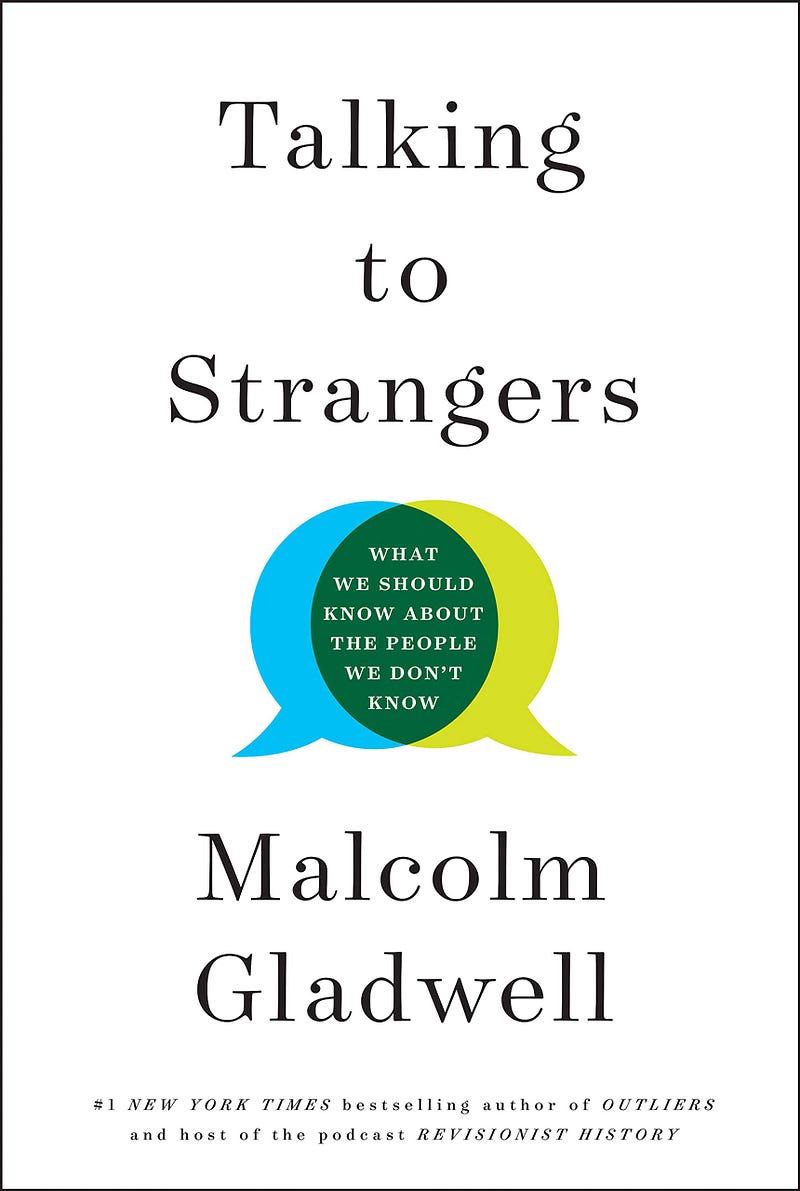
2. Talking to Strangers, What we should know about the people we don’t know – Malcolm Gladwell
Malcolm Gladwell’s books are always treasures of ingenuity. In Talking to Strangers, he tackles the many biases we have when we try to decipher someone we don’t know.
We are often convinced that we can detect a person’s moods, that we know when we are being lied to, or whether the person can be trusted. Facial expressions and behaviors are reputed to be good clues to what people are thinking.
Through examples that keep recurring in the news, and drawing on the latest research, Malcolm Gladwell calls on us to be more humble: no, in real life facial expressions are not reliable indicators of a person’s thoughts; we are not in a movie with an actor playing emotions.
For example, one particularly striking chapter analyzes relations between men and women under the influence of alcohol, as well as the difficult subject of consent, how it is perceived and the social norms at parties.
Why this book is interesting:
- Rethinking what we believe we can guess about others
- Putting a person’s actions back into a broader context helps us understand them better
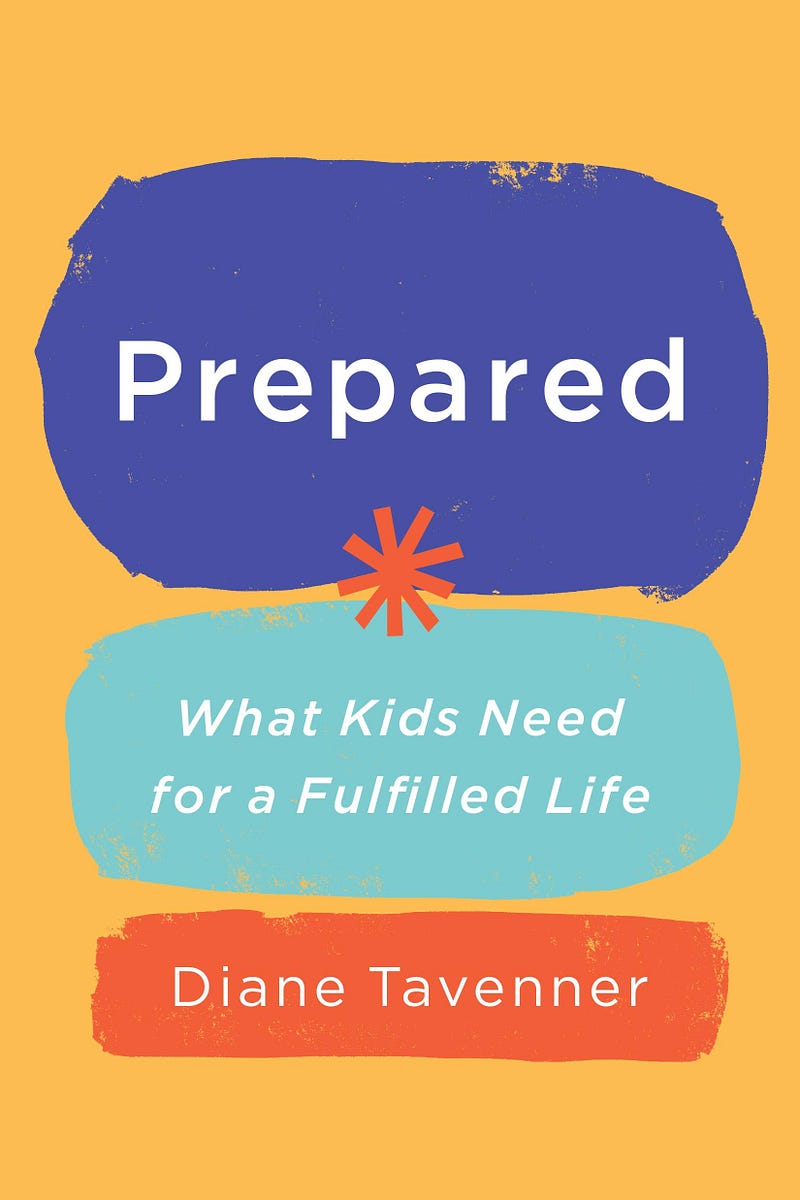
3. Prepared, What kids need for a Fulfilled Life – Diane Tavenner
Criticism of public education in France and around the world is growing more and more virulent. Thousands of students can’t keep up and drop out of school every year; thousands of others lose all interest in regurgitating knowledge learned by heart that is nonetheless available in one click on the Internet. And remote learning only widens this rift.
What’s more, the skills taught at school are less and less in line with a working world that expects its employees to be able to solve complex problems and work as a team, while showing critical thinking and creativity. Our schools today have barely changed since the Renaissance. The time for a big clean-up has come.
A few years ago, Diane Tavenner, then a young principal of a secondary school in the United States, set herself precisely this mission: to create a more modern and more inclusive school. Her conviction is that students get more involved, learn better and develop more useful skills by working on projects. For example, in her school, teachers no longer give lectures: learning happens either through group projects, through individual projects, or through self-directed learning under the supervision of a mentor. And this method works, even in underprivileged communities, where nearly 100% of students go on to higher education and the vast majority earn a degree.
Today, many schools are already copying her teaching techniques, and Diane Tavenner wants to share even more widely her vision of a school that meets the challenges of the 21st century.
Why this book is interesting:
- Understanding the fundamental role of school
- Discovering that there are other, more effective ways to educate a child
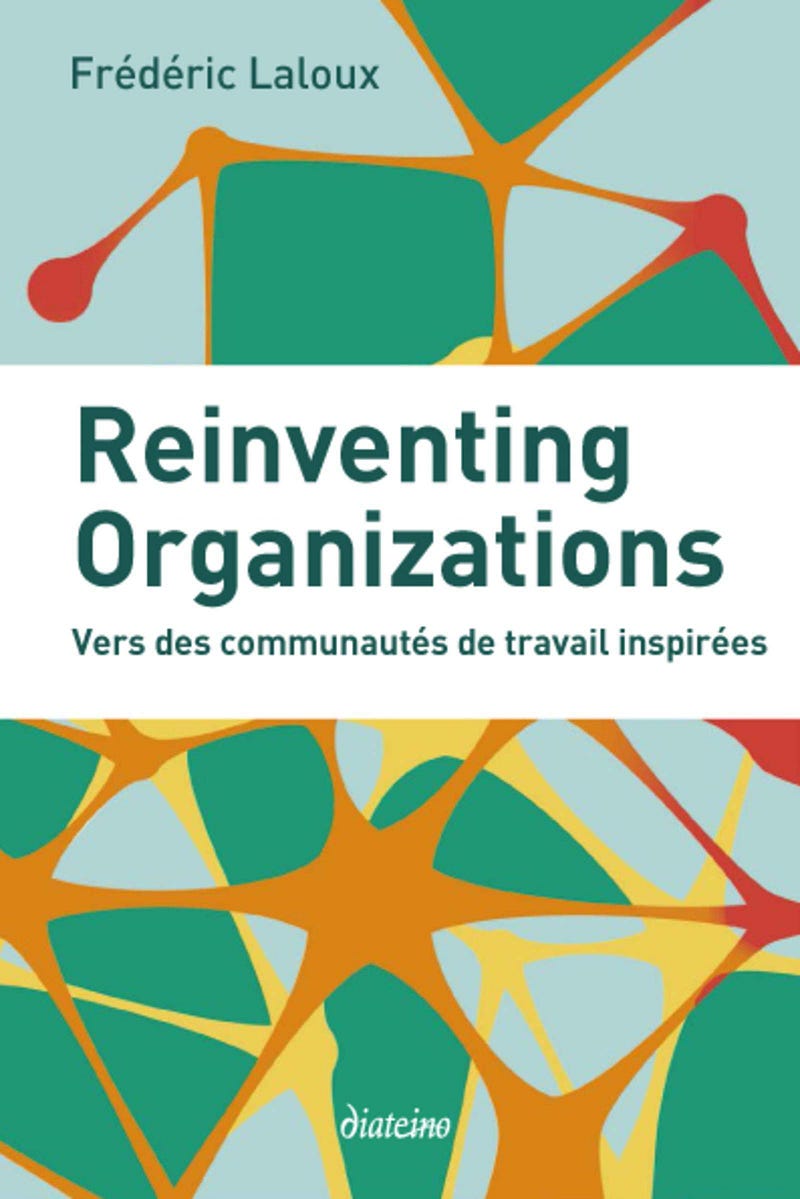
4. Reinventing Organizations, A Guide to Creating Organizations Inspired by the Next Stage of Human Consciousness — Frédéric Laloux
The loss of meaning at school is usually followed by the loss of meaning at work. And the answer comes from Frédéric Laloux, a former partner at McKinsey.
In Reinventing Organizations: A Guide to Creating Organizations Inspired by the Next Stage of Human Consciousness, Frédéric Laloux explains that organizations and management styles have evolved through the ages. From the “Red” organizations of prehistory, where the law of the strongest reigned, we have moved on to “Amber”, “Orange” or “Green” organizations, which in turn value rules, financial profit, or consensus. Until we reach the ultimate level, the “Teal” paradigm.
These organizations forcefully express a purpose and bring their employees together around a common project that transcends them. Since every employee finds full fulfillment in the company’s mission, there is no longer any need for a boss to tell them to work, or for control mechanisms to check how they work: the company is self-managed.
The great strength of the book is thus to compare how these different types of organization handle issues such as defining strategy, managing purchasing, information flows, recruiting, salaries, conflict management… and to provide concrete examples of companies, sometimes with several tens of thousands of employees, that have adopted these “liberated” practices.
Why this book is interesting:
- Making this myth of the “liberated” company concrete
- Offering a framework for analyzing all organizations, with keys to understanding their underlying principles
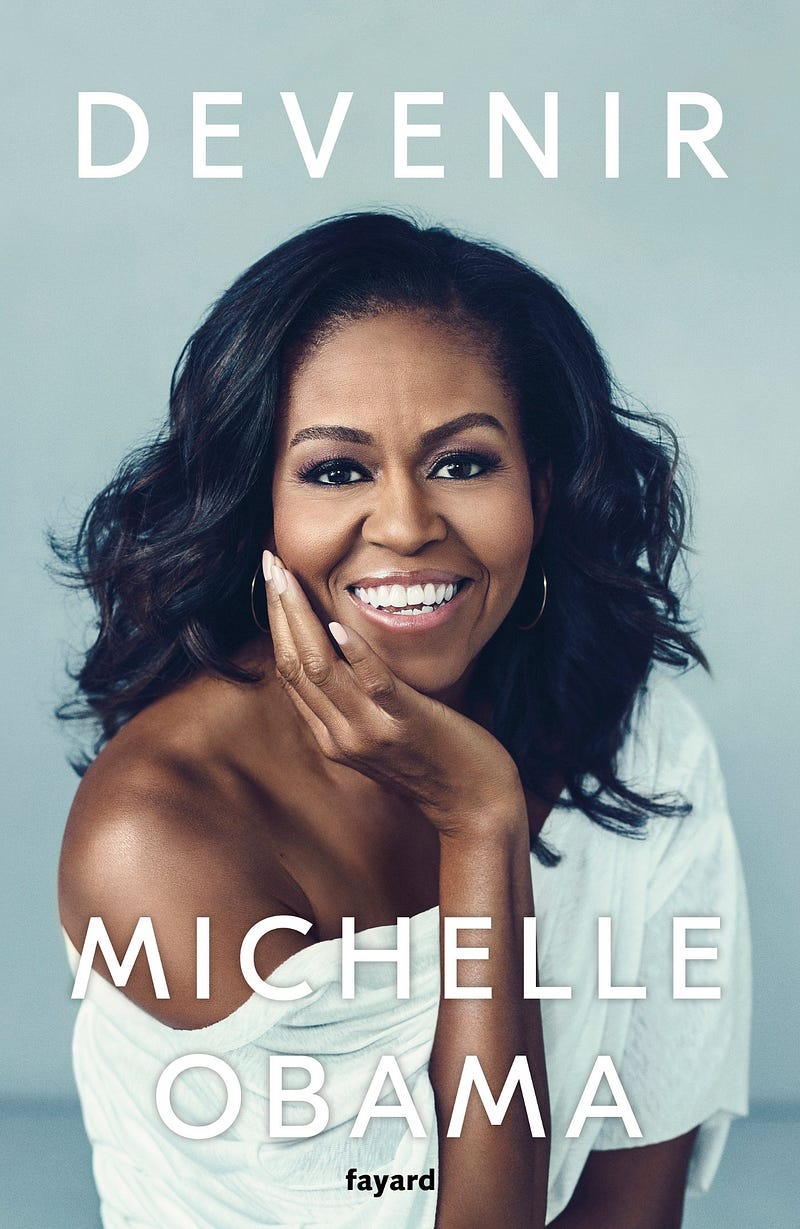
5. Becoming — Michelle Obama
In her autobiography, Michelle Obama lets us into her life, from her first steps to the end of her husband’s second presidential term. Born in a segregated neighborhood of Chicago, she always fought to prove to others that she could succeed, that she belonged there, whether at her neighborhood school, at her Chicago high school or at Princeton. She presents herself without a filter, from poignant anecdotes about her father’s degenerative illness to touches of humor about how she ended up supervising Barack’s internship at her law firm, or how she could not see herself at all dating this tall mixed-race man with a wide smile.
But the book’s great strength comes from Michelle Obama’s sincerity and authenticity. Despite her extraordinary career, she has the same worries about her marriage and her family as each of us. She explains why she chose to leave a brilliant career as a lawyer to get involved in social causes at Chicago City Hall, how as a mother she had to scale back her career plans to take care of her daughters, how her husband’s workload destroyed the balance of her marriage and her family, how she fought for her daughters to have a “normal” life. The image painted by the media of a powerful, aggressive, even domineering woman gives way to a simple, loving and endearing woman.
Why this book is interesting:
- Finding your smile again, and a good dose of hope in these troubled times
- Discovering the behind-the-scenes of a story seen over and over again in the media
- Remembering that life is just a series of small steps, and that even if you know where you’re going, it sometimes takes years to see the fruits
While we wait to see what 2021 has in store for us, here are at least a few books to keep you busy.